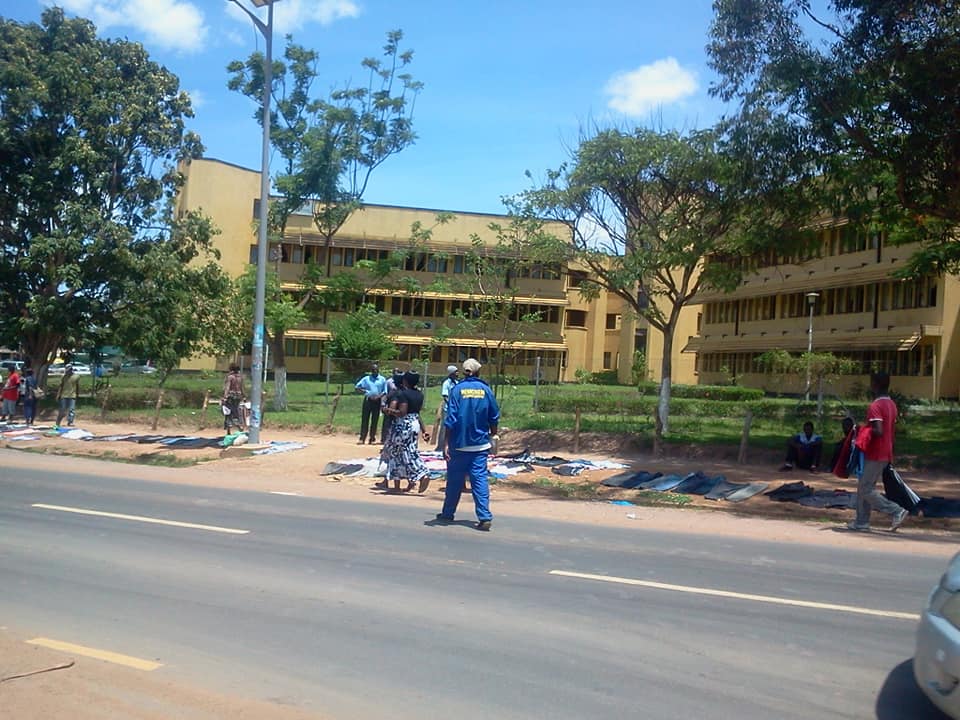
Mansa Central Constituency is one of the oldest and most significant constituencies in Luapula Province, Zambia. Situated in Mansa District, which serves as the provincial capital, the constituency has played an important role in Zambia’s parliamentary history and reflects the broader social, political, and economic transformations of the country since independence.
Formation and Early Political History
Mansa Central was created in the post-independence period as part of Zambia’s effort to establish a representative parliamentary system that ensured all regions had voices in the National Assembly. During the early years after independence in 1964, the constituency was dominated by the United National Independence Party (UNIP) under President Kenneth Kaunda.
The area became a UNIP stronghold because of Kaunda’s strong influence in Luapula Province, where he enjoyed massive grassroots support. Members of Parliament from UNIP promoted the party’s developmental agenda, which included the expansion of rural education, construction of health facilities, electrification projects, and the establishment of cooperative societies to empower local farmers.
One-Party Era (1973–1991)
When Zambia became a one-party state in 1973, Mansa Central, like all other constituencies, continued to be represented by UNIP MPs who were selected through internal party processes. The one-party system meant that parliamentary debates were less competitive, but Mansa Central benefited from government-funded programs such as the construction of the Mansa General Hospital, improvements to the road network, and growth of fish trading around the Luapula River basin.
The constituency also became a center of administrative importance because Mansa town developed into the provincial headquarters, attracting government offices, schools, and businesses that served the broader province.
Multiparty Democracy and the Rise of the MMD (1991–2001)
The return to multiparty democracy in 1991 marked a turning point in the history of Mansa Central. With the emergence of the Movement for Multi-Party Democracy (MMD) under Frederick Chiluba, who hailed from Luapula Province, the constituency shifted political allegiance. Mansa Central became one of the strongholds of the MMD, benefiting from development programs such as road rehabilitation, trade facilitation, and agricultural subsidies.
Mansa Central also became politically symbolic because it demonstrated the massive support that Chiluba and MMD enjoyed in Luapula. This support translated into electoral dominance throughout the 1990s.
Patriotic Front Era (2001–2021)
In the early 2000s, the Patriotic Front (PF), founded by Michael Sata, gradually gained influence in Luapula Province, including Mansa Central. By the late 2000s and early 2010s, PF had firmly established itself as the dominant party in the constituency. Its rise was linked to promises of improved infrastructure, job creation, and service delivery, which resonated with the people.
During this period, Mansa Central Constituency witnessed notable infrastructure projects such as the rehabilitation of the Mansa-Luwingu road, expansion of educational facilities, and construction of rural health posts. The PF also emphasized empowerment programs for small-scale farmers and market traders, which strengthened its grassroots support.
Mansa Central became one of the safest seats for the PF, and its Members of Parliament often held influential positions in government, highlighting the constituency’s political importance.
Recent Developments and the UPND Government (2021–Present)
In the 2021 general elections, the United Party for National Development (UPND) under President Hakainde Hichilema gained power nationally, shifting the political landscape. While Luapula Province remained largely aligned with the PF, Mansa Central’s position in national politics remained significant due to its location in the provincial capital and its active electorate.
Currently, the constituency faces both opportunities and challenges. On the one hand, it benefits from being the administrative hub of Luapula Province, with better access to services, schools, and markets compared to rural constituencies. On the other hand, issues such as youth unemployment, inadequate rural infrastructure, and limited industrialization remain pressing.
Socio-Economic and Cultural Context
Mansa Central’s economy is shaped by a combination of subsistence agriculture, small-scale fishing, trading, and formal employment tied to government institutions. Mansa town serves as the commercial center where goods from rural areas are traded, particularly fish from the Luapula River and Lake Bangweulu.
Culturally, the constituency is predominantly Bemba-speaking, and traditional structures remain influential in shaping community life. The annual Mutomboko Ceremony of the Lunda people in nearby Mwansabombwe also adds cultural significance to the region, drawing visitors and reinforcing local identity.
Summary
The history of Mansa Central Constituency reflects Zambia’s wider political evolution—from the dominance of UNIP in the one-party state, through the MMD’s era of multiparty democracy, to the PF’s grassroots mobilization, and now the UPND’s influence at the national level. As the seat of the provincial capital, it has remained politically strategic, economically active, and socially vibrant.
Mansa Central Constitutency - Mansa District