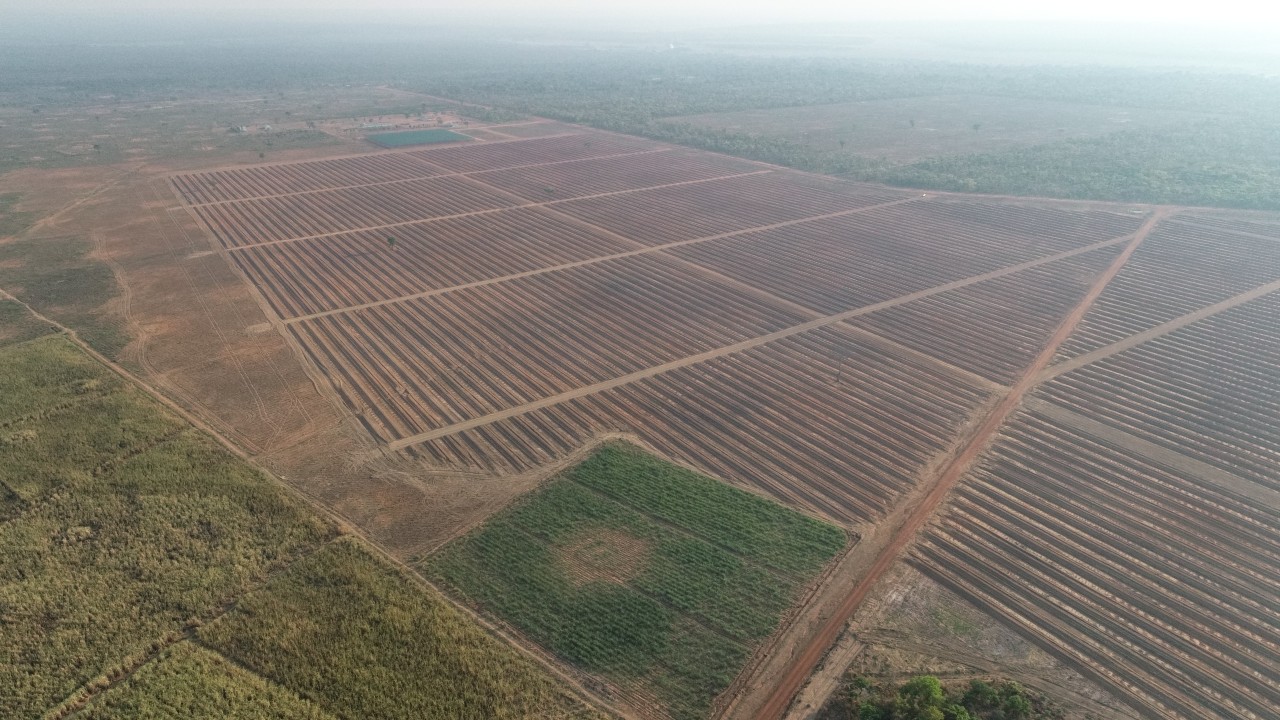
The Kawambwa Sugar Limited Project is a major agro-industrial initiative in Luapula Province, Zambia, aimed at transforming the region into a hub for sugar production and related economic activities. This project was conceptualized as part of the Zambian government’s broader strategy to diversify the economy, reduce dependency on mining, and boost agricultural industrialization.
Background and Establishment
The project was launched in the mid-2010s under the guidance of the Industrial Development Corporation (IDC), a state-owned investment company in Zambia. Kawambwa District was selected for its fertile land, favorable climate, and access to water resources from the Luapula river system and other smaller rivers that support irrigation.
The government’s vision was to create a new agricultural frontier in Luapula Province, which had historically been underutilized despite its potential. The Kawambwa Sugar Limited Project was designed not only as a farming enterprise but also as a full value-chain initiative involving cultivation, processing, and distribution of sugar and related products.
Objectives of the Project
1. Economic Diversification – Reduce Zambia’s over-reliance on copper mining by investing in large-scale agriculture.
2. Job Creation – Provide direct and indirect employment opportunities for thousands of people in Kawambwa and neighboring districts.
3. Industrialization – Establish a sugar processing plant in Luapula Province to add value locally instead of exporting raw cane.
4. Import Substitution – Reduce Zambia’s dependence on sugar imports and increase local production capacity.
5. Export Growth – Position Luapula Province as a source of sugar exports to regional markets in COMESA and SADC.
Scale and Components of the Project
The Kawambwa Sugar Limited Project was designed to cover over 10,000 hectares of land, making it one of the largest single agricultural investments in Luapula Province. The project comprises:
* Cane Farming Estates: Large tracts of land allocated for sugarcane cultivation under modern irrigation systems.
* Outgrower Schemes: Local farmers are integrated into the project as smallholder cane growers to supply part of the raw materials.
* Sugar Processing Plant: A factory to process sugarcane into refined sugar, ethanol, molasses, and other by-products.
* Infrastructure Development: Construction of roads, water canals, staff housing, and electricity connections to support the estate and surrounding communities.
Economic Impact
1. Employment: The project is expected to employ thousands of workers directly in farming, irrigation, and processing, while creating indirect jobs in transport, logistics, and trade.
2. Local Business Growth: Kawambwa town and nearby areas benefit from increased economic activity, including demand for goods, housing, and services.
3. Agricultural Development: By supporting outgrower farmers, the project stimulates agricultural skills transfer, improved farming practices, and rural income growth.
4. Revenue Generation: The government benefits through corporate taxes, export earnings, and reduced sugar imports.
Challenges Encountered
Despite its potential, the project has faced several challenges:
* Funding and Investment Delays: Securing consistent financing for large-scale farming and plant construction has taken time.
* Infrastructure Deficits: Kawambwa is relatively remote, and poor road and energy infrastructure slowed down implementation.
* Environmental Concerns: Sugarcane farming requires significant water resources, raising concerns about environmental sustainability and potential conflicts with local communities.
* Political and Administrative Factors: Like many large-scale projects, it has been influenced by changes in government priorities and policies.
Current Status and Future Prospects
The Kawambwa Sugar Limited Project has made progress in land preparation, initial cane planting, and establishing partnerships with local communities. However, full-scale production and processing remain gradual, with the expectation that once operational, the project will rival existing sugar companies in Zambia such as Zambia Sugar Plc (Mazabuka) and Kafue Sugar.
Future prospects include:
* Expanding production capacity to meet both domestic demand and regional export opportunities.
* Developing ethanol and bio-energy production as part of Zambia’s renewable energy strategy.
* Strengthening outgrower schemes to ensure inclusive participation of local farmers.
* Promoting eco-tourism around Kawambwa’s natural attractions, linking agriculture with other sectors of the economy.
Significance for Luapula Province
For Luapula Province, which has long been considered one of Zambia’s least developed regions despite its resource potential, the Kawambwa Sugar Limited Project represents a transformative opportunity. It has the potential to:
* Position Luapula as an agro-industrial hub.
* Attract further investment in related industries such as food processing, packaging, and transport.
* Improve infrastructure, including roads, electricity, and water supply, benefiting not only the project but also surrounding communities.
Conclusion
The Kawambwa Sugar Limited Project is a landmark initiative for Zambia’s agricultural and industrial transformation. While challenges have slowed its progress, its long-term potential remains significant. If fully realized, it will not only contribute to national food security and economic diversification but also uplift the livelihoods of people in Kawambwa and the broader Luapula Province, making it one of the most strategic agricultural projects in Zambia’s recent history.
Kawambwa Sugar Limited - Kawambwa District