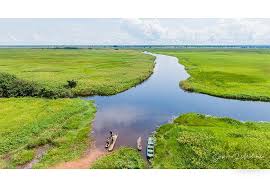
Kawambwa District is one of the important districts in Luapula Province, Zambia. It has both historical and contemporary significance due to its geographic location, economic activities, cultural identity, and political role within the province. The district serves as the administrative and commercial center for the surrounding areas and is a hub for trade, agriculture, and natural resources.
Geography and Location
Kawambwa District is located in the northern part of Luapula Province. It shares borders with several other districts, including Mwense, Mansa, and Nchelenge within the province, and it lies relatively close to the Democratic Republic of Congo (DRC) border. Its position makes it an important transit point for goods and services between northern Zambia and neighboring countries.
The district is characterized by vast plateaus, rivers, and fertile lands. One of its most famous natural features is the Lumangwe Falls, which is the second-largest waterfall in Zambia after Victoria Falls. The Ntumbachushi Falls and other river systems also contribute to the area’s natural beauty, eco-tourism potential, and hydroelectric possibilities.
Historical Background
Kawambwa has a long history tied to the movements and settlement of the Bemba and other related ethnic groups. During the colonial period, the district was part of the Northern Rhodesia administration under British rule. Missionaries also established schools and churches in the area, leaving a legacy of early education and Christian influence.
After Zambia’s independence in 1964, Kawambwa became one of the administrative districts of Luapula Province, contributing significantly to the province’s development. It has been a site of both political mobilization and community-based initiatives, reflecting the active role of its people in Zambia’s national affairs.
Economy
The economy of Kawambwa District is largely based on:
1. Agriculture – The district is known for maize, cassava, groundnuts, beans, and other food crops. Cassava, in particular, is widely grown due to the fertile soils. The government and private sector have also promoted large-scale farming in recent years, with Kawambwa becoming one of the areas where palm oil plantations are being established as part of Zambia’s industrial diversification strategy.
2. Fishing – Owing to the rivers and streams in the district, fishing is a traditional economic activity, supporting household livelihoods and trade.
3. Forestry – The district has significant forest reserves, which provide timber and other forest products. However, deforestation and unsustainable charcoal production remain challenges.
4. Tourism – Natural attractions like Lumangwe Falls and Kabwelume Falls are potential tourist magnets. Eco-tourism is slowly growing, with opportunities for local communities to benefit.
Infrastructure and Development
Kawambwa town is the district’s headquarters, serving as a commercial and administrative hub. The road network connects it to other districts in Luapula and beyond, though some feeder roads remain underdeveloped, affecting access to rural communities.
Social infrastructure includes schools, health centers, and markets, though like many rural districts in Zambia, challenges exist in ensuring equitable access to quality education and healthcare. Efforts by government and non-governmental organizations continue to focus on improving rural electrification, water supply, and sanitation.
Culture and People
The people of Kawambwa District are predominantly Bemba-speaking, though other ethnic groups also live in the area due to migration and intermarriage. Traditional leadership structures play an important role in local governance and cultural preservation.
The district is rich in traditions, music, dance, and oral history. Community gatherings, initiation ceremonies, and harvest celebrations highlight the district’s cultural identity. Christianity is widely practiced, but traditional beliefs and customs still hold influence in social life.
Politics and Governance
Kawambwa District has an active role in Zambia’s political landscape. It is represented in the National Assembly through constituencies such as Kawambwa and Pambashe. Over the years, it has been a stronghold for different political parties at different times, reflecting the shifting political dynamics in Luapula Province. Development projects, party mobilization, and local leadership have made the district politically vibrant.
Challenges
Despite its potential, Kawambwa faces challenges such as:
* Limited infrastructure development in rural parts of the district.
* High poverty levels and unemployment among youth.
* Environmental pressures, including deforestation and soil degradation.
* Limited investment in tourism despite its natural attractions.
Future Prospects
Kawambwa District holds promise for growth in agriculture (particularly cassava and palm oil production), tourism, and trade. With continued investment in infrastructure such as roads, energy, and digital connectivity, it could become a key driver of Luapula Province’s economy. Its waterfalls and natural beauty also position it as a future eco-tourism destination, while its fertile lands can support agro-industrial growth.
Summary
Kawambwa District is a land of rich natural resources, cultural heritage, and economic potential. From its iconic waterfalls to its fertile farmlands, the district plays a vital role in Luapula Province’s identity and development. While challenges remain in terms of infrastructure, poverty, and sustainable resource management, the district’s history and resources make it a strategic area for Zambia’s future growth.
Kawambwa District - Luapula Province