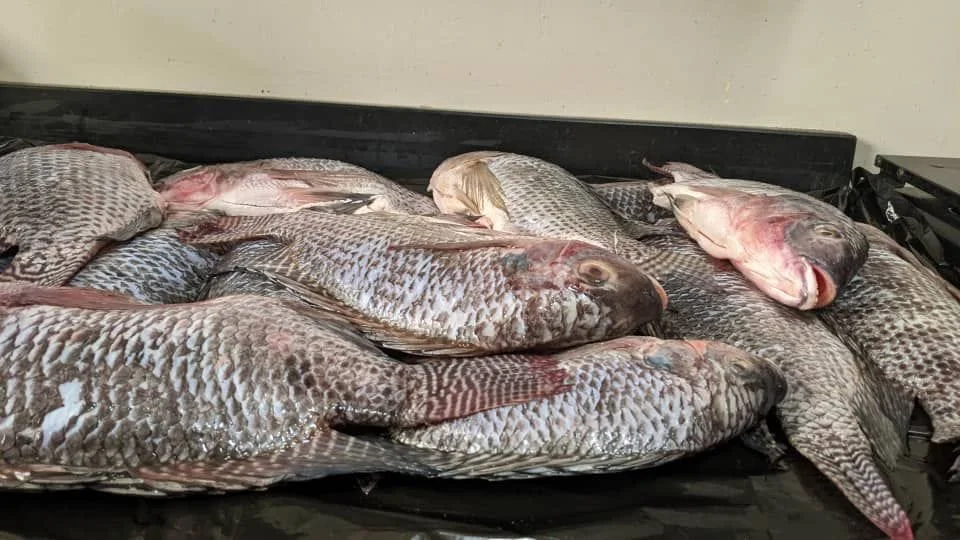
The fish industry in Luapula Province, Zambia, stands as one of the most significant economic activities supporting livelihoods, food security, and trade in the region. Blessed with abundant water resources, Luapula is home to lakes, rivers, and swamps that provide a natural habitat for a wide range of fish species. This has historically made the province one of Zambia’s leading suppliers of fish, playing a vital role in the nation’s economy and nutrition.
Natural Resources and Fish Varieties
Luapula Province derives its name from the Luapula River, which forms part of the border between Zambia and the Democratic Republic of the Congo (DRC). Alongside the river, Lake Mweru and Lake Bangweulu are the main fisheries supporting the industry. These water bodies are rich in species such as bream (tilapia), catfish, mpende, kapenta (small sardine-like fish), and tigerfish. Traditional fishing has been practiced in these areas for centuries, and the cultural identity of the local people is closely linked to fishing and fish trading.
Economic Importance
The fish industry contributes significantly to both the provincial and national economy. For many households in Luapula, fishing is the main source of income. Fish from Luapula supplies markets not only within Zambia but also across the border into the DRC, where demand for fresh and dried fish is high. The trade sustains a wide value chain that includes fishermen, women involved in fish processing and trading, transporters, and local market vendors.
Additionally, the industry plays a crucial role in employment creation. Thousands of households depend directly on fishing activities, while others benefit indirectly through boat building, net making, and provision of storage and transport services. For women, particularly in rural communities, fish processing and trading provide an avenue for economic empowerment and household sustenance.
Nutrition and Food Security
Fish is a major source of protein for the people of Luapula Province and Zambia as a whole. It is often more affordable than other animal protein sources such as beef, chicken, or goat. Beyond protein, fish provides essential micronutrients such as omega-3 fatty acids, calcium, and vitamins that are vital for growth and development, especially among children. As such, the fish industry contributes not only to economic development but also to **nutritional security** in the region.
Challenges Facing the Industry
Despite its importance, the fish industry in Luapula Province faces a number of challenges:
1. Overfishing – Due to high demand, fishing pressure on lakes and rivers has increased, leading to depletion of fish stocks.
2. Illegal fishing methods – Practices such as using mosquito nets, explosives, and poisoning have been reported, which negatively affect sustainability.
3. Seasonal fish bans – The government imposes annual fish bans (December to March) to allow breeding, but enforcement remains difficult, and many communities struggle to survive economically during the ban period.
4. Post-harvest losses – Inadequate storage facilities, poor transport systems, and lack of cold-chain infrastructure lead to significant wastage, particularly for fresh fish.
5. Environmental pressures – Deforestation, pollution, and climate change affect water bodies, threatening fish habitats and long-term productivity.
Government and Institutional Interventions
The Zambian government, through the Ministry of Fisheries and Livestock, has introduced several measures to manage and revamp the fish industry. These include:
*Annual fishing bans to promote fish breeding and replenish stocks.
*Awareness campaigns to discourage illegal fishing practices and promote sustainable methods.
*Investment in aquaculture: The government and private sector have been encouraging fish farming as an alternative to reliance on capture fisheries. Luapula has seen an increase in small-scale fish ponds producing tilapia and catfish, which supplements natural fish production.
*Regional cooperation: Given the shared waters with the DRC, bilateral agreements have been sought to harmonize fishing regulations and reduce illegal cross-border activities.
Opportunities for Growth
The fish industry in Luapula holds immense potential if managed sustainably. Some opportunities include:
*Expansion of aquaculture: With fertile land and abundant water, Luapula can become a hub for fish farming, reducing pressure on natural water bodies.
*Value addition: Establishing processing plants for drying, freezing, canning, and packaging fish would create jobs and increase earnings.
*Export potential: The proximity to the DRC and other regional markets presents opportunities for large-scale exports.
*Tourism linkage: Fishing can be integrated into eco-tourism, with Lake Mweru and Bangweulu wetlands serving as both fishing and tourist attractions.
Conclusion
The fish industry in Luapula Province is both an economic lifeline and a cultural heritage for the people of the region. It provides income, employment, nutrition, and opportunities for trade beyond Zambia’s borders. However, sustainability challenges such as overfishing, environmental degradation, and inadequate infrastructure threaten its future. By strengthening regulation, promoting aquaculture, investing in value addition, and improving cross-border cooperation, the industry can transform into a more resilient and profitable sector. With proper management, Luapula Province can maintain its position as Zambia’s “fish basket,” contributing significantly to both local livelihoods and national development.
The Fish Industry in Luapula Province